
Specialties & Approaches
Therapy sessions will address presenting issues and through collaboration, the best modality for treatment will be chosen. Oftentimes, multiple approaches are used within therapy sessions depending on need.
Areas of Specialty
Anxiety
Grief
Peer relationships
Sexual abuse
Attachment
Children, adolescents, and young adults
Foster care
Highly sensitive children
Life Transitions
Self-esteem
Trauma
Adoption
Depression
Parenting
Self-harm and suicidal ideation
Therapeutic Approaches

Art Therapy
Art making can be used as a tool to help understand and express emotions. In art therapy, the focus is on the process of art making rather than on the product created. Art therapy boosts self-awareness, self-esteem, builds skills, and enhances brain function.
I’ve always had a passion for the healing power of art. I studied art in college, and completed my master’s degree in art therapy. I offer a wide variety of art mediums for my clients to explore in therapy. Making art can provide a way of saying the things for which we have no words.
“When you start to think of the arts as not this thing that is going to get you somewhere in terms of becoming an artist… but rather a way of making being in the world not just bearable, but fascinating, then it starts to get interesting again.” -Lynda Barry

Talk Therapy
Centered Services utilizes a person-centered perspective, applying components from cognitive behavioral therapy and motivational interviewing to help you process life’s stressors, recognize patterns in your life that might benefit from some adjusting, and make plans for change. Oftentimes, people just need a space to be seen and heard. Talk therapy involves listening with empathy and working together to find solutions.
In the nicer weather months, walking and talking is an option during the therapy hour.
Dialectical Behavior Therapy (DBT)
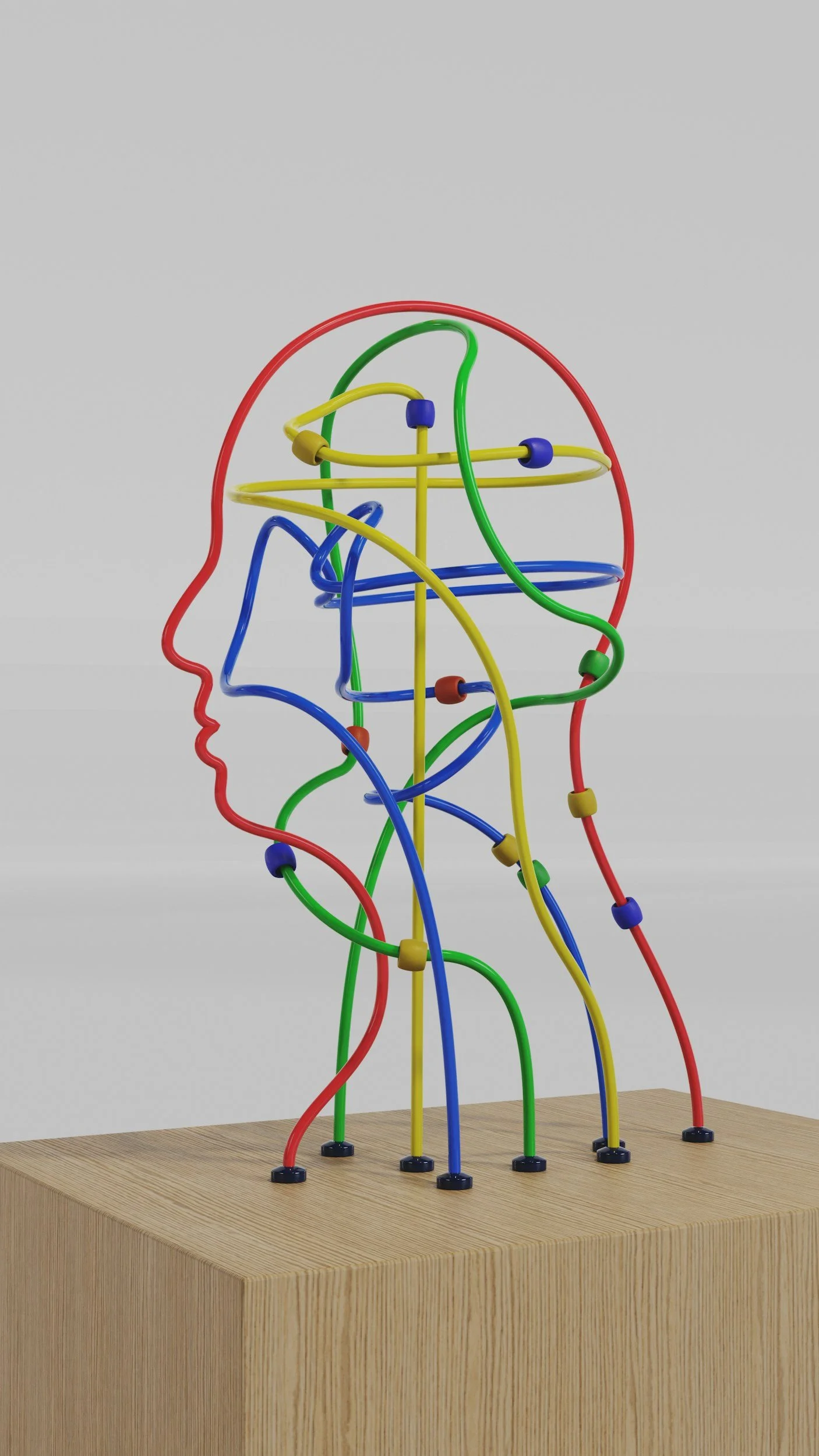
DBT (Dialectical Behavior Therapy) is an effective treatment for emotion dysregulation, self-harm, and intense interpersonal difficulties. DBT combines cognitive-behavioral techniques with mindfulness practices, teaching clients to notice and accept their thoughts and feelings while also building skills to change unhelpful patterns. The skills-based approach used in individual therapy mirrors what's taught in structured skills groups. A core principle of DBT is to hold two seemingly opposite truths at once: people are doing the best they can, and they can do better.
Centered Services uses DBT to help clients build skills in mindfulness, distress tolerance, emotion regulation, and interpersonal effectiveness. DBT can help to take away the overwhelming, all-or-nothing feeling we have when emotions run high; instead, we can recognize the emotion and respond with a grounded, balanced reaction.
To learn more about DBT, visit the Linehan Institute.
Parent-Child Interaction Therapy (PCIT)
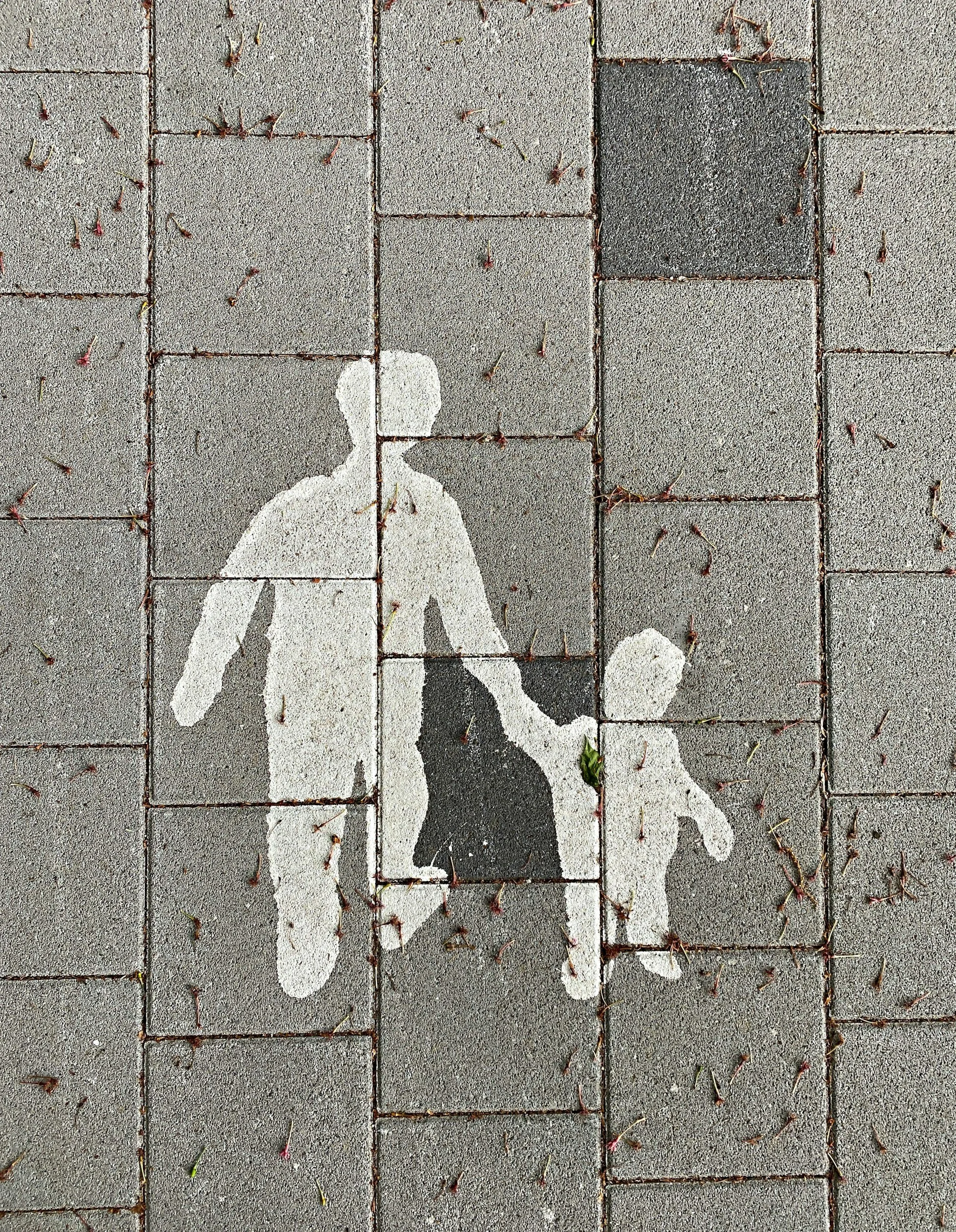
PCIT (Parent-Child Interaction Therapy) is a well-established, evidence-based approach for strengthening the parent-child bond and addressing challenging behaviors. The treatment begins with CDI (Child-Directed Interaction), which draws on the CARE model and PRIDE skills to help caregivers build connection and warmth as the foundation for everything that follows. Coaching happens in real time, with parents practicing these skills directly with their child and carrying them into everyday moments at home. At its heart, CDI is built on the idea that behavior change is most lasting when it grows out of a secure, trusting relationship.
At Centered Counseling, we focus specifically on the CDI/CARE portion of PCIT to help caregivers enhance their relationship with their child — using praise, reflection, imitation, description, and enjoyment (PRIDE) to shift moments of tension into moments of attunement. Rather than reacting to difficult behavior with frustration, caregivers learn to lead with warmth and stay connected even in hard moments.
To learn more about PCIT, visit PCIT International.

Eye Movement Desensitization and Reprocessing (EMDR) Therapy
EMDR is an extensively researched and effective treatment for trauma. EMDR uses bilateral stimulation to activate opposite sides of the brain. The bilateral stimulation techniques used in therapy mimic REM sleep (which is generally considered to be the time during sleep that the brain deeply processes). EMDR seems to help the brain reprocess “stuck” memories.
Centered Services uses EMDR to help clients uncover and move through limiting beliefs about themselves and the world. EMDR seems to take away the “gut-punch” feeling we have when reminded of a negative situation; instead, we can recognize the situation and react to the current trigger with a neutral, calm response.
EMDR is helpful for treating major traumas but also all sorts of other mental health concerns. To learn more about EMDR, visit EMDR Institute, INC.